
Blog

  • How โ€œFreeโ€ Turns Curious Users Into Paying Customers

    How โ€œFreeโ€ Turns Curious Users Into Paying Customers

    Watch on YouTube

    Ever wondered why so many apps and tools give away their product for free? Itโ€™s not generosityโ€”itโ€™s strategy. Welcome to the freemium model, one of the most effective ways to grow a modern business.

    The Power of Free

    โ€œFreeโ€ is magnetic. It lowers the barrier to entry and gets people using your product without hesitation. Once theyโ€™re hooked, a small percentage will happily pay for premium features. You donโ€™t need everyone to payโ€”just the right few. Thatโ€™s the brilliance of freemium.

    Famous Freemium Wins

    • Dropbox: By offering free storage, Dropbox made file sharing simple. Then it nudged users to upgrade when they needed more space. Even better, it added a referral systemโ€”invite a friend, get extra storageโ€”which turned users into the marketing team.
    • Spotify: Millions listen free with ads, but power users who crave unlimited, ad-free music subscribe. The upgrade is an easy decision once free users hit their pain point.
    • LinkedIn: Everyone can network for free, but recruiters, job-seekers, and sales pros often need premium tools. LinkedIn designed its โ€œfreemium funnelโ€ to make that upgrade path crystal clear.

    Why It Works for Students and Startups

    Freemium is perfect if youโ€™re just starting out. You can launch fast, test what features people care about, and learn from their behavior. As your audience grows, you refine the โ€œmoment of upgradeโ€ to capture real revenue.

    The Takeaway

    You donโ€™t need to charge upfront to build a serious business. Sometimes, the smartest move is to give away just enough to create trust, adoption, and demand.

    So hereโ€™s a question for you: What could you offer for free today that makes people eager to pay tomorrow?


    ๐Ÿ‘‰ Want more quick lessons from the world of business and money? Subscribe to Quick Insights for daily strategies that make big ideas simple.

    Watch on YouTube
  • The Garage Startup That Became a $2 Trillion Company

    The Garage Startup That Became a $2 Trillion Company

    Watch on YouTube

    What if I told you the worldโ€™s most valuable company started in a suburban garage? No venture capital, no corporate officeโ€”just two friends with a vision. Thatโ€™s exactly how Apple began.

    A Scrappy Beginning

    In 1976, Steve Jobs and Steve Wozniak were working out of Jobsโ€™ parentsโ€™ garage in Los Altos, California. Their idea was radical for the time: build a personal computer that everyday peopleโ€”not just scientists or corporationsโ€”could use.

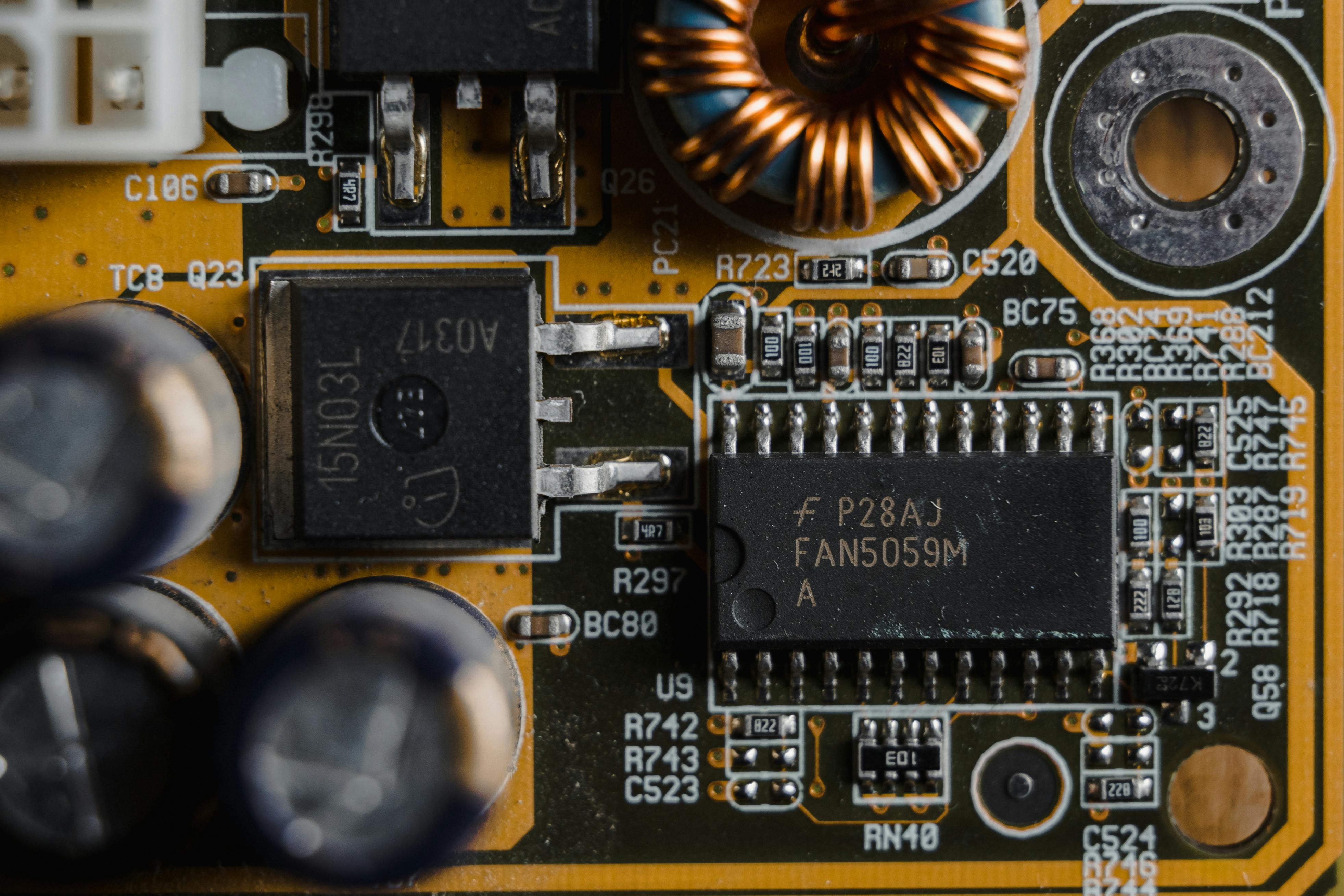
    The first Apple computer, the Apple I, wasnโ€™t sleek or shiny. It didnโ€™t even come with a case or keyboard. It was essentially a bare motherboard. But they managed to sell 50 units to a local store, The Byte Shop. That single order gave them something every entrepreneur cravesโ€”cash flow.

    Vision Over Perfection

    Jobsโ€™ real genius wasnโ€™t in the hardwareโ€”it was in selling a vision. He believed computers should be approachable, intuitive, and designed for people, not just experts. That mindset became the foundation of Appleโ€™s culture and future innovations.

    From Garage to Global Giant

    Fast-forward nearly 50 years, and Apple is a $2 trillion company with products in billions of pockets around the world. Yet its story reminds us that game-changing businesses rarely begin with perfect conditions. They begin with scrappy prototypes, persistence, and an unshakable belief in the mission.

    The Takeaway for You

    Donโ€™t wait for the perfect setup, the perfect office, or the perfect product. Focus on clarity of vision, start with what you have, and iterate. Big ideas donโ€™t need big beginningsโ€”just relentless execution.

    โœ… Want more bite-sized lessons from historyโ€™s boldest innovators? Subscribe to our YouTube channel Quick Insights and never miss a story.

    Watch on YouTube

  • The Cliffhanger Trick: How Your Brain Loves Unfinished Business

    The Cliffhanger Trick: How Your Brain Loves Unfinished Business

    Watch on YouTube

    Ever notice how a cliffhanger in a TV show keeps you thinking about the next episode, even when youโ€™re supposed to be doing something else? Thatโ€™s not just good writingโ€”itโ€™s psychology at work.

    The Zeigarnik Effect

    In the 1920s, psychologist Bluma Zeigarnik discovered something fascinating: people remember unfinished tasks far better than completed ones. She noticed waiters could recall unpaid orders in detail but quickly forgot them once the bill was settled. The tension of โ€œunfinished businessโ€ keeps the brain engaged.

    This is called the Zeigarnik Effectโ€”and you can turn it into a powerful productivity tool.

    How to Use It in Daily Life

    Think of your work like a binge-worthy series. Instead of pushing through to โ€œfinish,โ€ intentionally leave yourself a cliffhanger:

    • At work: Write the opening line of a report and stop. The task stays fresh in your mind, making it easier to pick up later.
    • In learning: End a study session mid-explanation. Your curiosity will pull you back.
    • In projects: Always leave a short โ€œnext actionโ€ note at the top of your file or notebook. This reduces friction when you return.

    By stopping before youโ€™re โ€œdone,โ€ you create a built-in reminder systemโ€”without sticky notes or alarms.

    Why It Works

    Your brain doesnโ€™t like open loops. When something feels incomplete, it nags at your memory, nudging you to come back. Instead of fighting that, you can harness it.

    Final Thought

    Next time youโ€™re stuck procrastinating, try this: start for five minutes, stop on purpose, and notice how much easier it feels to return. Productivity isnโ€™t always about grinding harderโ€”itโ€™s about designing smarter, with science on your side.

  • ๐Ÿ“ย Beat Procrastination in Just 2 Minutes

    ๐Ÿ“ย Beat Procrastination in Just 2 Minutes

    Weโ€™ve all had those momentsโ€”staring at an email, a messy desk, or a task list, and thinking: โ€œIโ€™ll deal with it later.โ€ The problem? Later never comes. Procrastination piles up, and suddenly small tasks feel like mountains.

    But what if there were a simple trick to beat procrastinationโ€ฆ in just two minutes?

    The Two-Minute Rule

    Productivity expert David Allen, author of Getting Things Done, popularized whatโ€™s known as the Two-Minute Rule. The principle is simple:

    ๐Ÿ‘‰ If a task takes less than two minutes, do it immediately.

    Reply to that email. Wash that coffee mug. Jot down the reminder. These micro-actions clear mental clutter and free up brainpower for bigger, more meaningful work.

    Why It Works

    Psychologists talk about something called activation energyโ€”the mental โ€œpushโ€ needed to get started. Once you begin, momentum often carries you forward.

    Thatโ€™s why the Two-Minute Rule also works for bigger goals. Donโ€™t commit to โ€œwriting a full report.โ€ Commit to โ€œwriting for two minutes.โ€ Often, once you start, youโ€™ll keep going.

    Itโ€™s the same principle behind the Pomodoro Techniqueโ€”breaking work into manageable chunks. The difference? The Two-Minute Rule removes friction at the smallest possible level.

    Try It Today

    Next time you feel stuck, scan your task list. Ask yourself: โ€œWhat can I finish in two minutes or less?โ€ Do it immediately.

    It sounds small, but over time it builds a habit of action. Instead of putting things off, you train your brain to start.

    Want More?

    Weโ€™ve created a detailed factsheet on how to apply the Two-Minute Rule, complete with:

    • Step-by-step daily habit guide.
    • Comparison to Pomodoro and other productivity methods.
    • Examples from entrepreneurs and leaders.

    ๐Ÿ“Œ Find it in the description or pinned comment of the YouTube video.

    And if you want more quick, powerful ideas on productivity, business, psychology, and innovation โ€” subscribe to Quick Insights on YouTube.

    SEO Keywords:

    two-minute rule, beat procrastination, productivity hacks, david allen getting things done, time management tips

  • The $100 Startup Rule Every Entrepreneur Should Know

    The $100 Startup Rule Every Entrepreneur Should Know


    Watch on YouTube

    When most people think of launching a business, they imagine sky-high startup costs, months of preparation, and maybe even a pitch to investors. But hereโ€™s the reality: you donโ€™t need millionsโ€”or even thousandsโ€”to start. Some of the most impactful companies began with less than $100.

    The Lean Startup Advantage

    In his book The $100 Startup, Chris Guillebeau studied hundreds of small businesses and found a surprising trend: the majority didnโ€™t begin with heavy funding. Instead, they started leanโ€”with minimal money, a simple idea, and a willingness to test quickly.

    Technology has made this even easier. Today, platforms like Shopify (for online stores), Canva (for design), and AI assistants (for content and planning) let anyone validate a business idea in days rather than months.

    Real-World Proof: Spanx

    Sara Blakely started Spanx with just $5,000 in savings and a clear mission: to solve an everyday problem for women. By focusing on one product, reinvesting profits, and keeping overhead low, she grew it into a billion-dollar empire. Her story proves that resourcefulness matters more than resources.

    The Takeaway

    Donโ€™t let the myth of massive funding stop you from starting. The key is simple:

    • Start small.
    • Test fast.
    • Reinvest what works.

    The $100 Startup Rule is a reminder that the most important investment is not moneyโ€”itโ€™s action.

    Extra Insights

    • Many modern creators use Substack for newsletters, Etsy for crafts, or YouTube for content businessesโ€”all with startup costs under $100.
    • History is full of โ€œgarage startups,โ€ from Apple to Amazon, that began with small budgets and big ideas.

    ๐Ÿ‘‰ Want more practical insights for entrepreneurs? Subscribe to Quick Insights on YouTube for bite-sized strategies that turn small ideas into big results.

  • How a โ€œFailedโ€ Invention Became the Billion-Dollar Post-it Note

    How a โ€œFailedโ€ Invention Became the Billion-Dollar Post-it Note

    Watch on Youtube

    Some of historyโ€™s greatest business breakthroughs didnโ€™t start with a flawless planโ€”they started with a mistake. One of the best examples? The humble Post-it Note.

    The Accidental Invention

    In 1968, Spencer Silver, a scientist at 3M, was tasked with creating a super-strong adhesive. Instead, he accidentally developed the opposite: a glue so weak it barely held anything together. It was reusable and pressure-sensitive, but had no obvious commercial use. For years, it sat on the shelf, seen as a failure.

    The Spark of Insight

    Fast forward a few years, and another 3M employee, Art Fry, faced a problem. As a choir singer, Fry kept losing his place in his hymnal. He remembered Silverโ€™s โ€œfailedโ€ adhesive and realized it could solve his problemโ€”sticky bookmarks that wouldnโ€™t damage pages. That spark became the prototype for Post-it Notes.

    From Resistance to Global Success

    When Post-its were first tested in the marketplace, they werenโ€™t an instant hit. People didnโ€™t understand why they needed them. But with persistence and clever samplingโ€”3M literally gave away pads to officesโ€”users quickly became hooked. By the 1980s, Post-it Notes were a global phenomenon, generating billions in revenue and becoming a staple of modern work life.

    The Business Lesson

    The Post-it story isnโ€™t just about office supplies. Itโ€™s about persistence, reframing โ€œfailures,โ€ and seeing hidden value in overlooked ideas. Innovation rarely follows a straight lineโ€”sometimes the biggest opportunities come from accidents.

    Takeaway: That project you think is a dead end today might just be the foundation of your next breakthrough tomorrow.

    โœ… Call-to-Action: Want more bite-sized lessons on how innovation and ideas shape business success? Subscribe to our YouTube channel Quick Insights and never miss a story.